"The state or quality of being worthy of honour or respect."
— Definition of Dignity
“For to be free is not merely to cast off one's chains, but to live in a way that respects and enhances the freedom of others.”
— Nelson MandelaPeople deserve to live without discrimination, interference, or fear that their most basic rights will be violated. Yet this is not the lived reality for many in Zimbabwe today.
Abuse occurs when a government fails to respect the dignity and rights of its citizens.
Everyone, no matter where they live, deserves a real opportunity to shape the decisions that affect their lives.
The voice of the people is fundamental; governments do not choose themselves; citizens choose who governs.
Zimbabweans put in the effort, and they deserve secure, meaningful jobs that pay well.
Achieving that kind of future depends on having a responsible government chosen freely by the people.
For many people in Zimbabwe, daily life falls far short of what they deserve. They put in the work, they contribute as citizens, yet they still struggle to afford food, pay school fees, and cover even the most basic needs. Many no longer believe their children will grow up with better prospects than they had, and that loss of confidence is draining an entire generation of its hope.
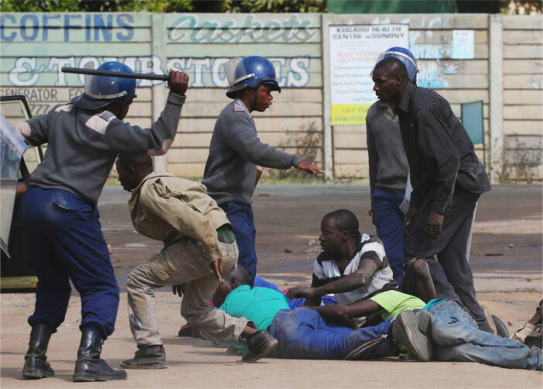
Police brutality without recourse to the law remains a heavy challenge to the daily life and security of ordinary citizens.
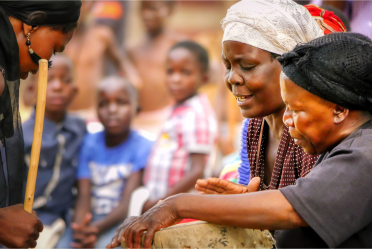
Despite heavy challenges and governance struggles, the cultural legacy of peace and solidarity remains unbroken.
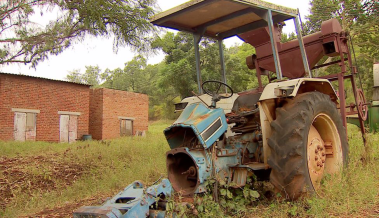
The ruins of the basics of an economy, once recognized as the agricultural breadbasket of Southern Africa.
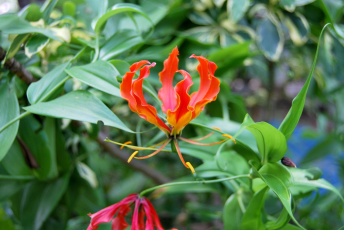
The Flame Lily, the national flower of Zimbabwe, represents a timeless symbol of purity, resilient beauty, and natural heritage.
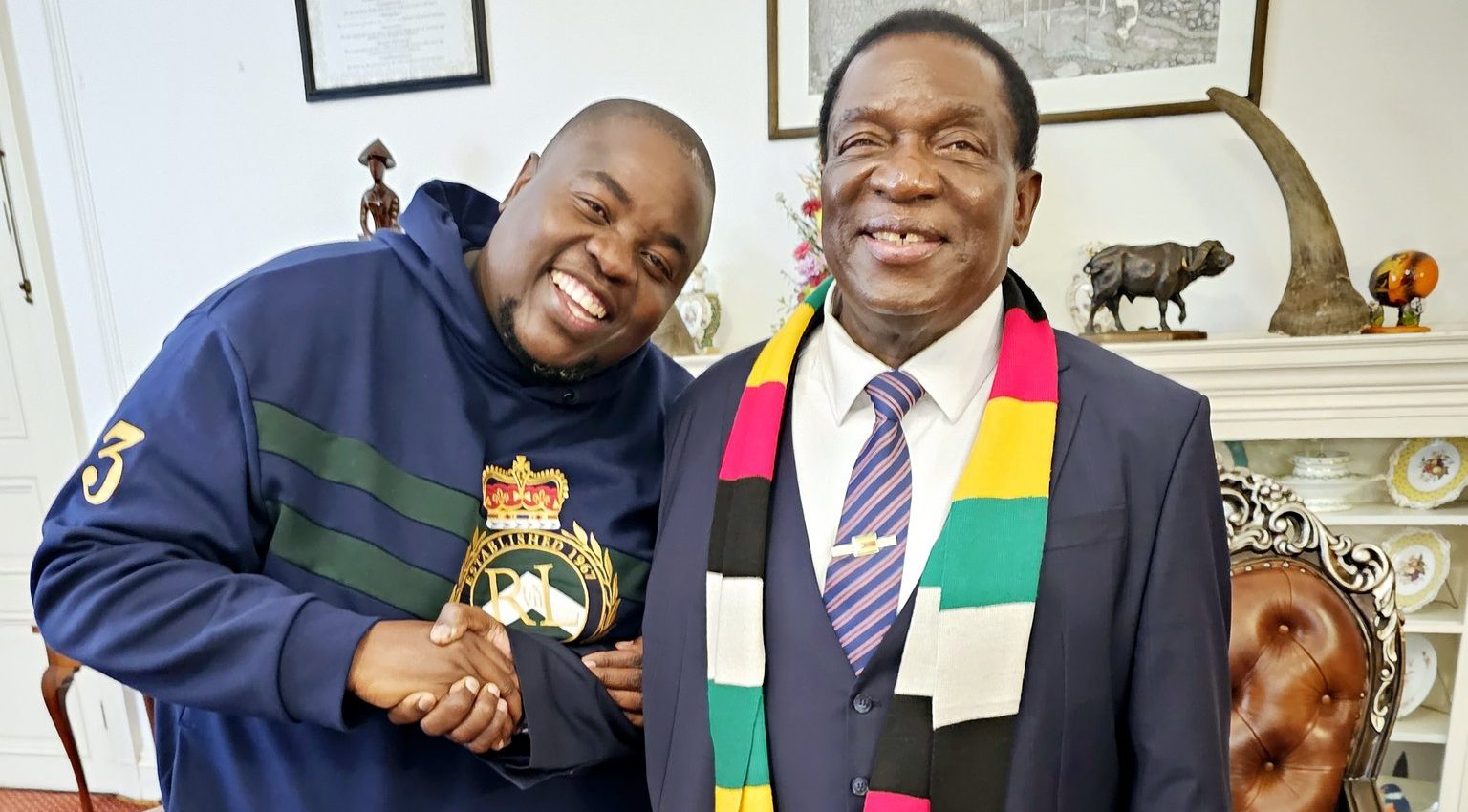
Comrades who would eventually betray the values of the liberation struggle were referred to as "Zvigananda". All for economic gains during and after the war. Today we have individuals who might be in the Zanu-Pf or who are affiliated to the President work as instruments of bribery. Donating cash and vehicles to buy loyalty and patriotism.
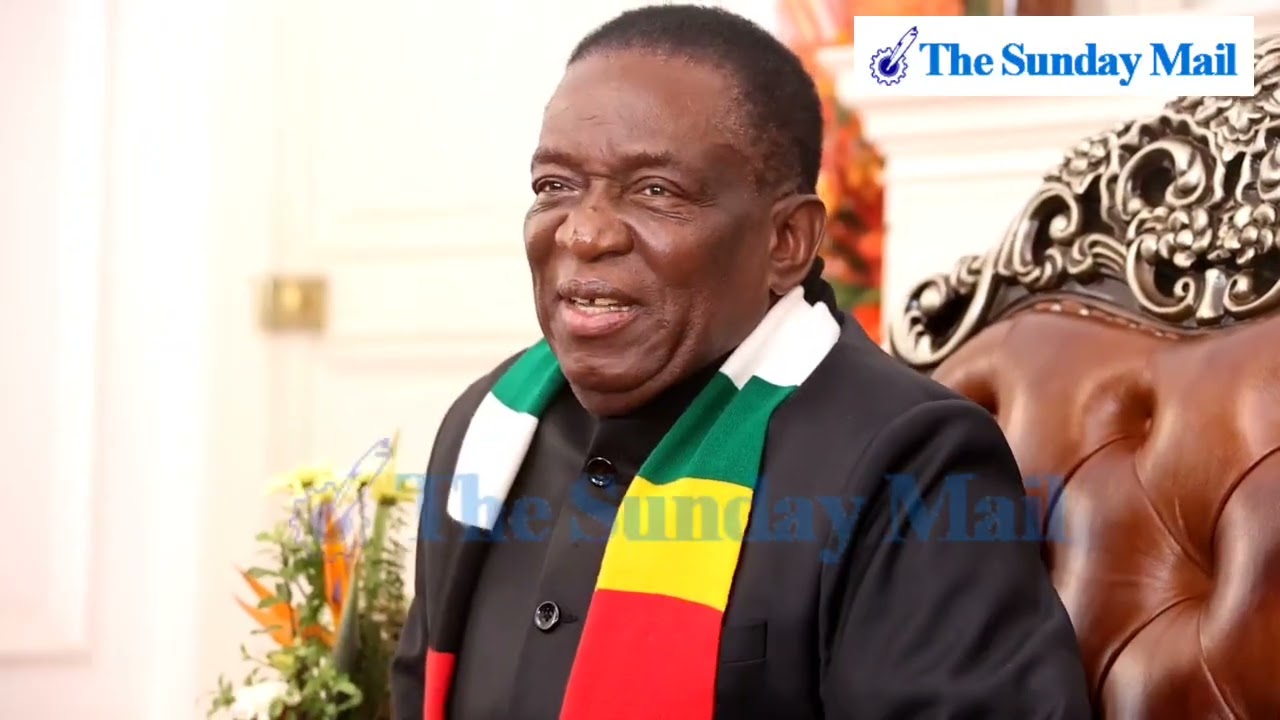
No Intent to Violate the Law: Mnangagwa emphasizes that there is "not an iota of evidence" showing that either ZANU-PF or he as president has ever expressed an intention to violate the nation's constitution.
The earliest known inhabitants of the land that is now Zimbabwe were the hunter gatherer San communities. Around the 5th century A.D., Bantu‑speaking farming groups moved into the region, and by the 9th century, Shona‑speaking societies had begun to emerge in the Limpopo Valley and the Zimbabwean highlands. These communities developed extensive trade networks with Arab merchants along the Indian Ocean coast and eventually organized under the Kingdom of Mapungubwe in the 11th century. Mapungubwe was followed by several influential Shona states built on regional trade, including the Kingdom of Zimbabwe (circa 1220–1450), the Kingdom of Mutapa (circa 1450–1760), and later the Rozwi Empire. The Rozwi expelled Portuguese settlers from the plateau, but in 1838 the Ndebele, led by Mzilikazi after the upheavals of the Mfecane, conquered much of the territory.
In the late 19th century, the British South Africa Company (BSAC) entered the region and secured a written concession for mineral rights from Ndebele King Lobengula. Lobengula later rejected the agreement, accusing BSAC representatives of deception. Despite this, the company moved ahead, occupying Mashonaland and defeating the Ndebele in the First Matabele War (1893–1894), establishing corporate control over the area. In 1923, Britain formally took over BSAC territories south of the Zambezi River, creating the colony of Southern Rhodesia. Racial inequality was entrenched through laws such as the 1930 Land Apportionment Act, which restricted Black land ownership, and the 1961 constitution, which further solidified White minority rule.
In 1965, Prime Minister Ian Smith’s government declared independence from Britain without consent, prompting international rejection and demands for expanded political rights for the Black majority. Diplomatic pressure and armed resistance by Black liberation movements eventually led to biracial elections in 1979 and full independence in 1980. Robert Mugabe, a key leader in the liberation struggle, became prime minister and later president, ruling from independence until 2017. During the mid‑1980s, the government carried out the Gukurahundi campaign, in which thousands of civilians were tortured and killed. Over the years, economic mismanagement and chaotic land redistribution severely damaged the economy. Elections in 2002, 2008, and 2013 were widely criticized for irregularities but kept Mugabe in power.
In 2017, a military intervention forced Mugabe to resign, allowing Vice President Emmerson Mnangagwa to assume the presidency and sideline political rivals, including Grace Mugabe. Mnangagwa won the 2018 election and has continued long‑standing patterns of suppressing protests and using state institutions for political control. Under his leadership, economic conditions have remained extremely difficult for ordinary Zimbabweans.
When Zimbabwe became independent in 1980, the end of Rhodesia’s apartheid‑style system created expectations of democratic change. Instead, the country gradually shifted into a de facto one‑party state under Robert Mugabe and the Zimbabwe African National Union–Patriotic Front (ZANU‑PF). One of the earliest and most brutal signs of authoritarian consolidation was the Gukurahundi campaign in Matabeleland, during which roughly 20,000 people—mostly Ndebele—were killed. Despite this violence, Zimbabwe’s economy performed strongly throughout the 1980s, earning its reputation as Southern Africa’s “breadbasket.”
A major political turning point came in 1999 with the creation of the Movement for Democratic Change–Tsvangirai (MDC‑T), formed by labour groups, civic organizations, and activists. The party quickly became the first serious challenger to ZANU‑PF, winning a substantial share of parliamentary seats in 2000 and successfully rallying voters to reject proposed constitutional changes. The state responded with intensified repression, and the period from 1999 to 2008 was marked by widespread human rights abuses, violent elections, and systematic targeting of MDC‑T supporters and civil society.
After losing the 2000 constitutional referendum, ZANU‑PF launched the Fast Track Land Reform program. Combined with earlier Economic Structural Adjustment Programs (ESAP) and ongoing economic mismanagement, the country entered a severe economic decline. Between 1998 and 2009, Zimbabwe’s GDP fell by about 40%, culminating in the infamous hyperinflation and nationwide shortages of basic goods in 2008.
The 2008 elections were among the most violent in the country’s history. During the disputed presidential run‑off, opposition members were beaten, tortured, abducted, and killed. Morgan Tsvangirai eventually withdrew to prevent further bloodshed. International pressure forced ZANU‑PF to accept a power‑sharing arrangement, resulting in the Government of National Unity (GNU)—the first coalition government since independence. The GNU stabilized the economy, ended hyperinflation, and oversaw the drafting of a new constitution, which was later approved by voters.
The GNU dissolved after the 2013 elections, which were preceded by extensive intimidation and resulted in a contested ZANU‑PF victory. Mugabe won 61% of the vote, and the party expanded its parliamentary majority from 99 to 160 seats. The years that followed were characterized by internal ZANU‑PF factional battles, economic stagnation, and minimal reform. These tensions eventually triggered the 2017 military intervention known as Operation Restore Legacy, which forced Mugabe to step down.
The 2018 elections were the first without either Mugabe or Tsvangirai. In another disputed contest, ZANU‑PF’s Emmerson Mnangagwa defeated Nelson Chamisa, the young leader of the MDC Alliance who had taken over after Tsvangirai’s death.
Mugabe’s departure after nearly four decades in power briefly revived hopes for political and economic renewal. Mnangagwa promised a “new dispensation,” openness to business, and democratic reforms. However, the years since have instead seen rising repression, entrenched corruption, limited reform, and worsening economic conditions. Civil society and opposition groups have faced systematic attacks, shrinking the country’s democratic space.
Although regional and international observers concluded that the 2023 elections failed to meet international standards, Mnangagwa and ZANU‑PF ultimately maintained and consolidated their hold on power.
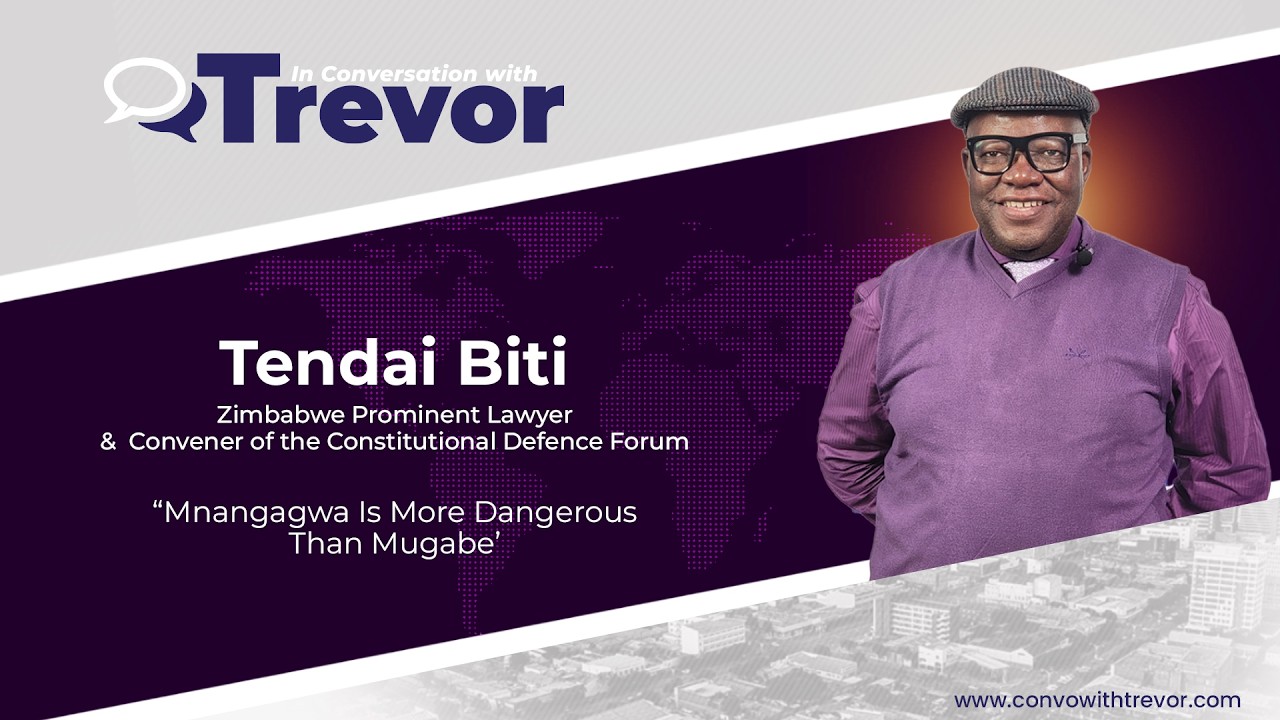
Tendai Biti joins Trevor Ncube to unpack Constitutional Amendment Bill No. 3 (CAB 3), political repression, elite cartels, and state capture in Zimbabwe.
Read Full Article →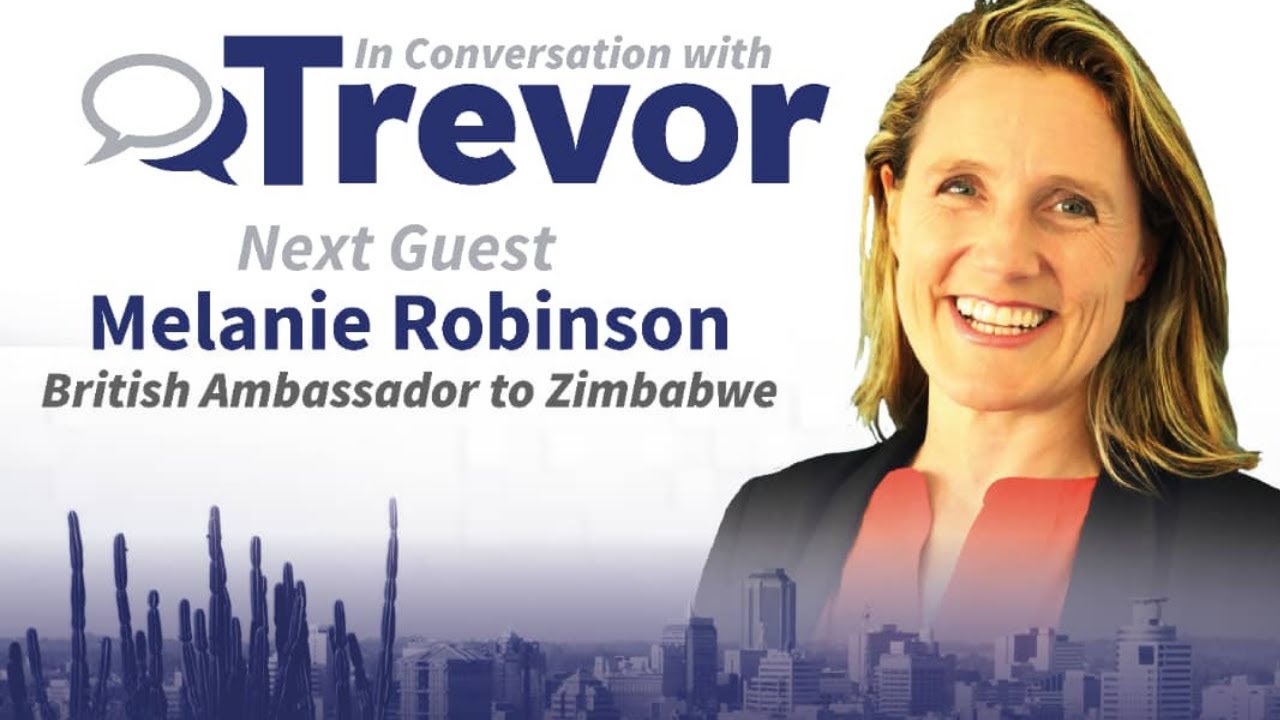
British Ambassador Melanie Robinson discusses UK-Zimbabwe diplomatic relations, humanitarian aid, targeted sanctions, and economic reforms with Trevor Ncube.
Read Full Article →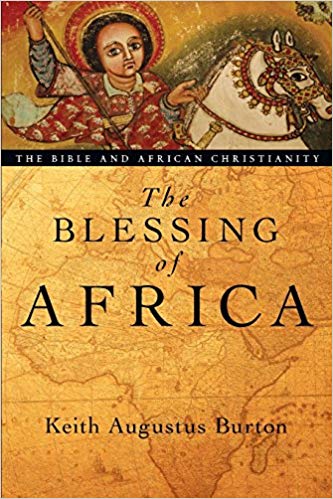 Goodreads
Keith Augustus Burton counters historical distortions and explores the active presence and leadership of Africans across biblical history in 'The Blessing of Africa'.
Read Full Article →Real-time updates from YouTube video channels, Zimbabwean media, and global news networks.