Rise and decline of the Monomotapa domain, thought to have been associated with Great Zimbabwe and involved in gold mining and international trade.
Ndebele people fleeing Zulu violence and Boer migration in present-day South Africa move north and settle in Matabeleland.
European hunters, traders and missionaries explore the region from the south. They include Cecil John Rhodes.
Rhodes' British South Africa Company (BSAC) obtains a British mandate to colonize what becomes Southern Rhodesia.
Pioneer column of European settlers arrives from the south at the site of the future capital, Salisbury (now Harare).
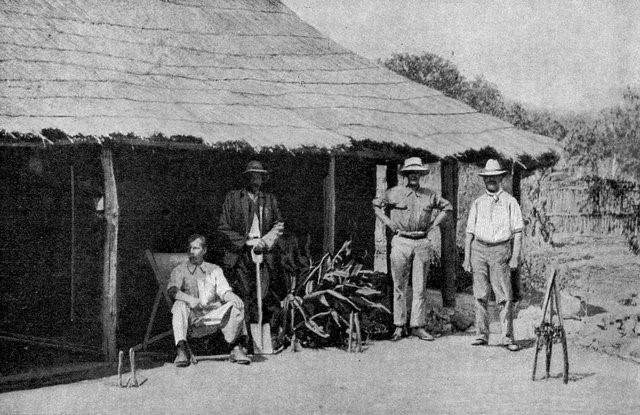
The Ndebele uprising against British South Africa Company rule is crushed by colonial forces.
British South Africa Company administration ends. The white minority opts for self-government under British oversight.
Land Apportionment Act restricts Black access to land, forcing many into wage labour and creating massive wealth disparities.
Black opposition to colonial rule grows, culminating in the 1960s with the emergence of nationalist groups: the Zimbabwe African People's Union (ZAPU) and the Zimbabwe African National Union (ZANU).
Britain creates the Central African Federation, made up of Southern Rhodesia (Zimbabwe), Northern Rhodesia (Zambia) and Nyasaland (Malawi).
The Federation breaks up when Northern Rhodesia (Zambia) and Nyasaland (Malawi) gain independence.
Ian Smith of the Rhodesian Front becomes prime minister and attempts to persuade Britain to grant independence under minority rule.
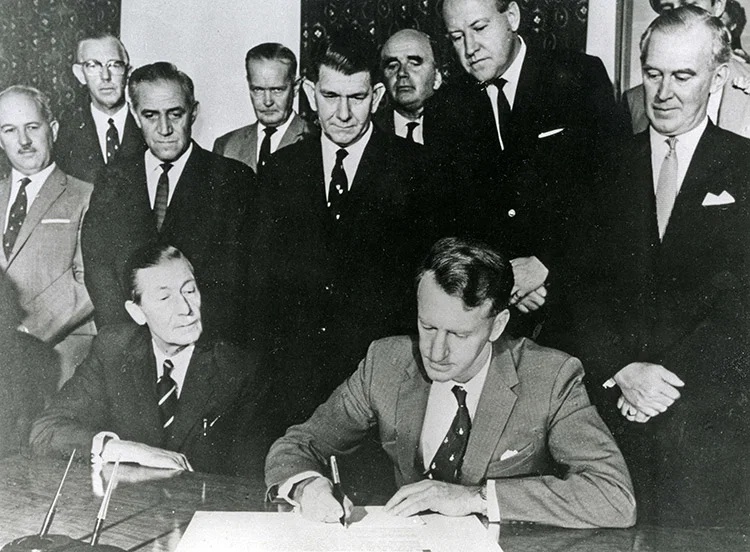
Ian Smith unilaterally declares independence under white minority rule, sparking international outrage, isolation, and economic sanctions.
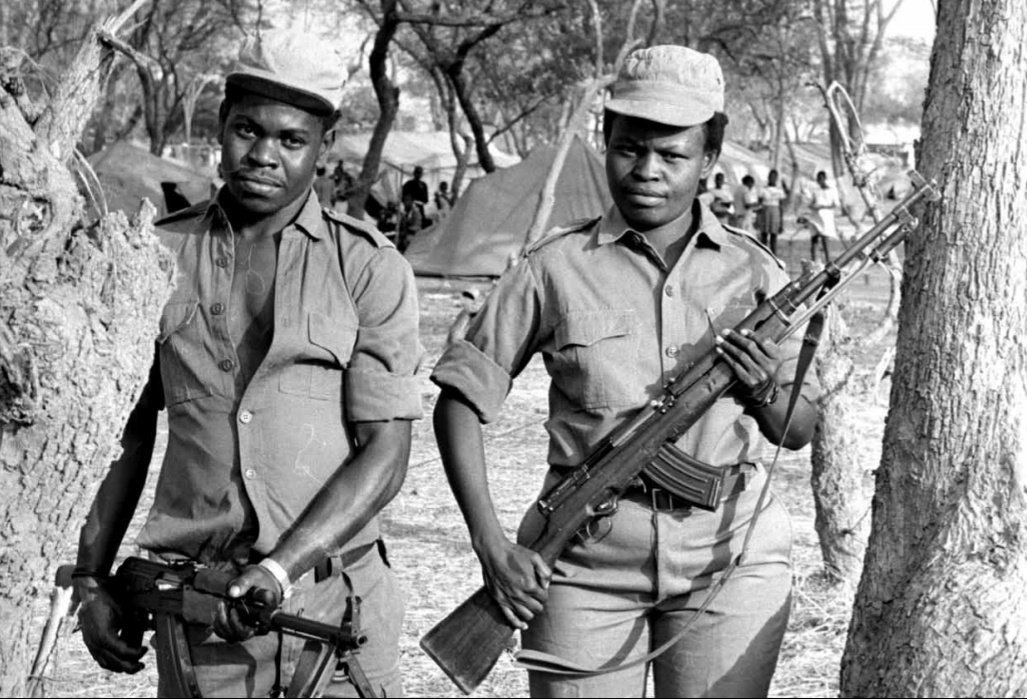
Guerrilla war against white rule intensifies. Rival liberation movements ZANU and ZAPU operate out of Mozambique and Zambia, respectively. Diplomatic pressure eventually leads to British-brokered peace talks at Lancaster House in 1979.
ZANU leader Robert Mugabe wins independence elections. Zimbabwe gains international recognition as a sovereign country on April 18, 1980.
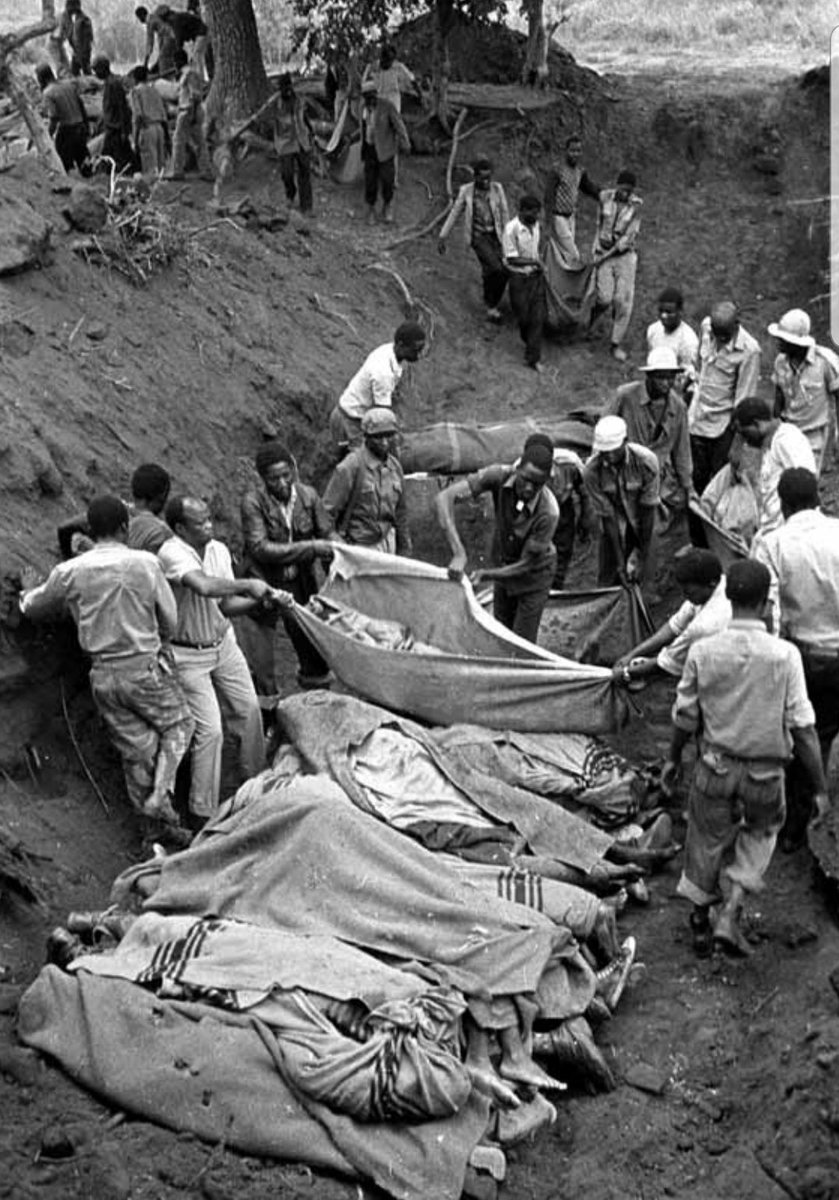
Prime Minister Mugabe sacks ZAPU leader Joshua Nkomo from cabinet, accusing him of plotting a coup. The North Korean-trained Fifth Brigade is deployed to crush rebellion in Matabeleland and Midlands, resulting in the massacre of thousands of civilians (Gukurahundi).
Mugabe and Joshua Nkomo merge their parties to form ZANU-PF. Mugabe changes the constitution to become Executive President, centralizing power.
Economic crisis worsens due to Zimbabwe's military involvement in the DRC civil war. The opposition Movement for Democratic Change (MDC) is formed under Morgan Tsvangirai.
Mugabe suffers defeat in a draft constitution referendum. Violent campaigns seize white-owned farms with state backing. Inflation rises. The EU and Western countries impose sanctions, and Zimbabwe is suspended from the Commonwealth.
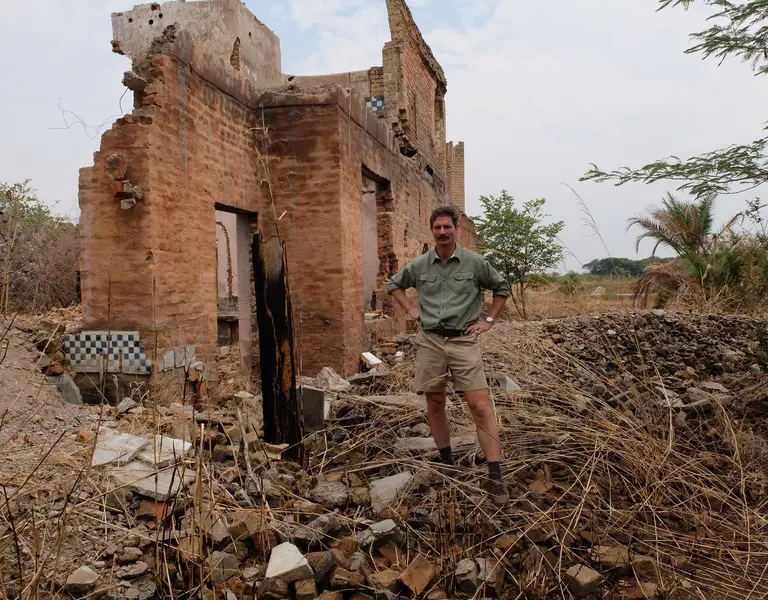
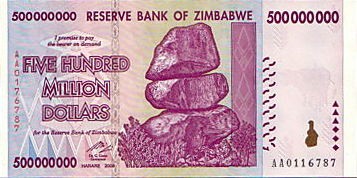
The UN estimates 700,000 homeless after a "clean-up" program targets shanties. Year-on-year inflation exceeds 1,000% by 2006. Disputed 2008 elections lead to extreme state-sponsored violence against opposition supporters.
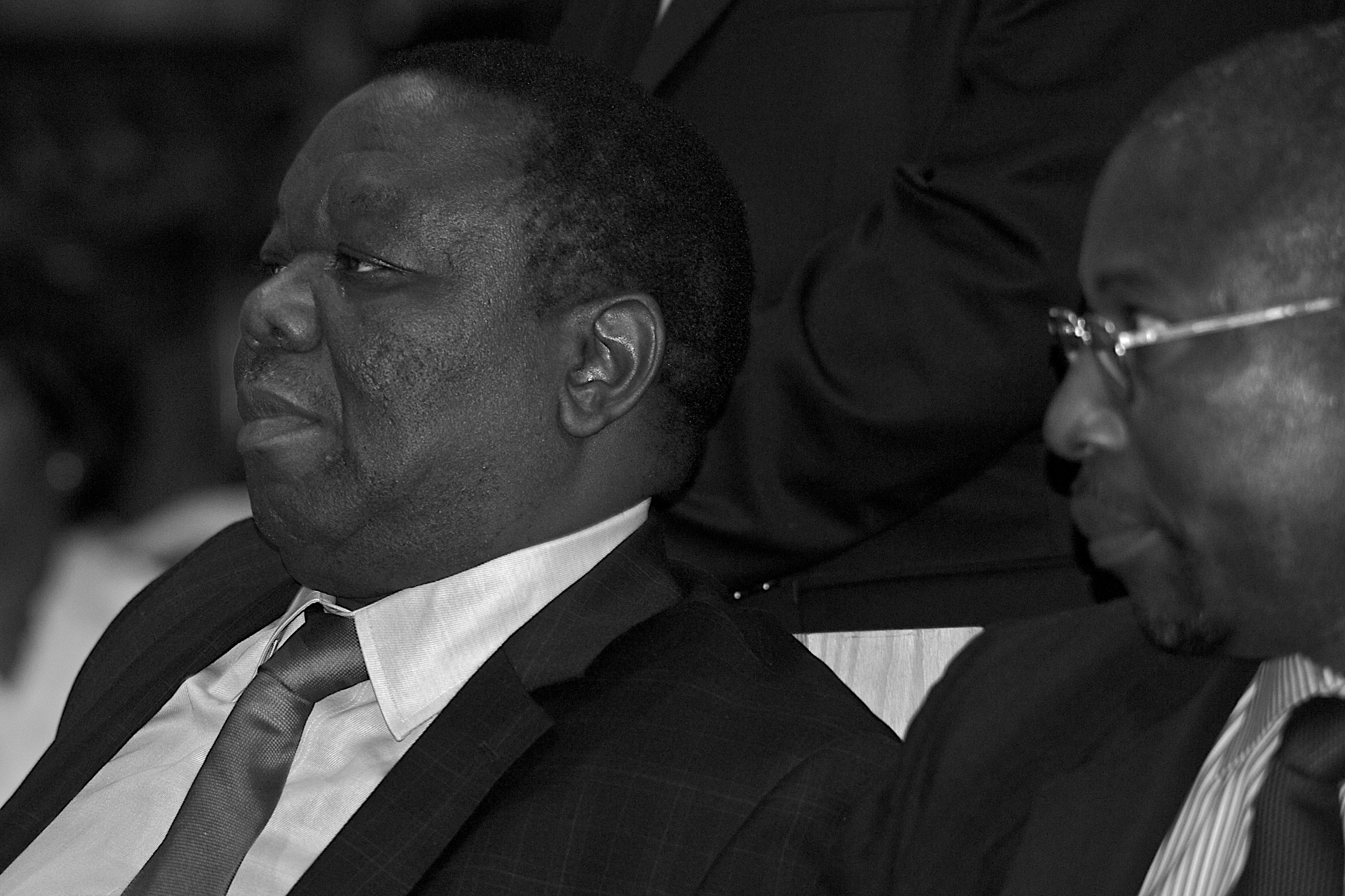
Tsvangirai is sworn in as Prime Minister in a power-sharing coalition. The multi-currency system is adopted, bringing economic stabilization. A new constitution is approved by referendum in 2013.
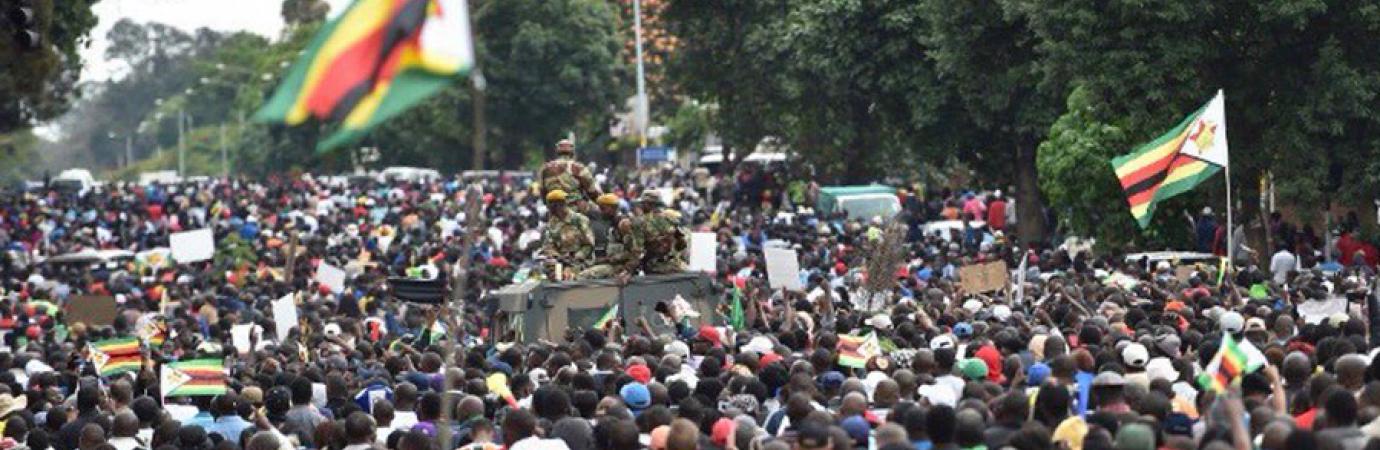
Internal power struggles trigger a military intervention. Robert Mugabe resigns after 37 years of rule. Former Vice-President Emmerson Mnangagwa takes over as President.
Emmerson Mnangagwa narrowly wins the presidential poll over Nelson Chamisa (MDC Alliance). Mnangagwa promises economic stabilization, democratic reform, and a drive to attract foreign investment under the slogan "Zimbabwe is open for business."
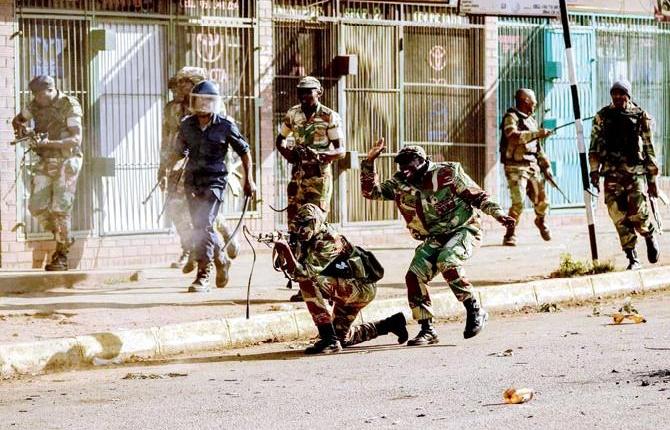
Protests break out in Harare over delayed election results. The military is deployed to disperse crowds and fires live ammunition, killing 6 civilians. The subsequent Motlanthe Commission of Inquiry finds the use of force was unjustified, but no security officers face prosecution.
President Mnangagwa announces a major project by Australian mining firm Invictus Energy to investigate potential oil and gas deposits in the Muzarabani district, signaling hope for energy independence.
The government more than doubles fuel prices to curb black-market trading and shortages, triggering nationwide protests. A heavy security crackdown follows, resulting in several deaths, internet blackouts, and mass arrests.
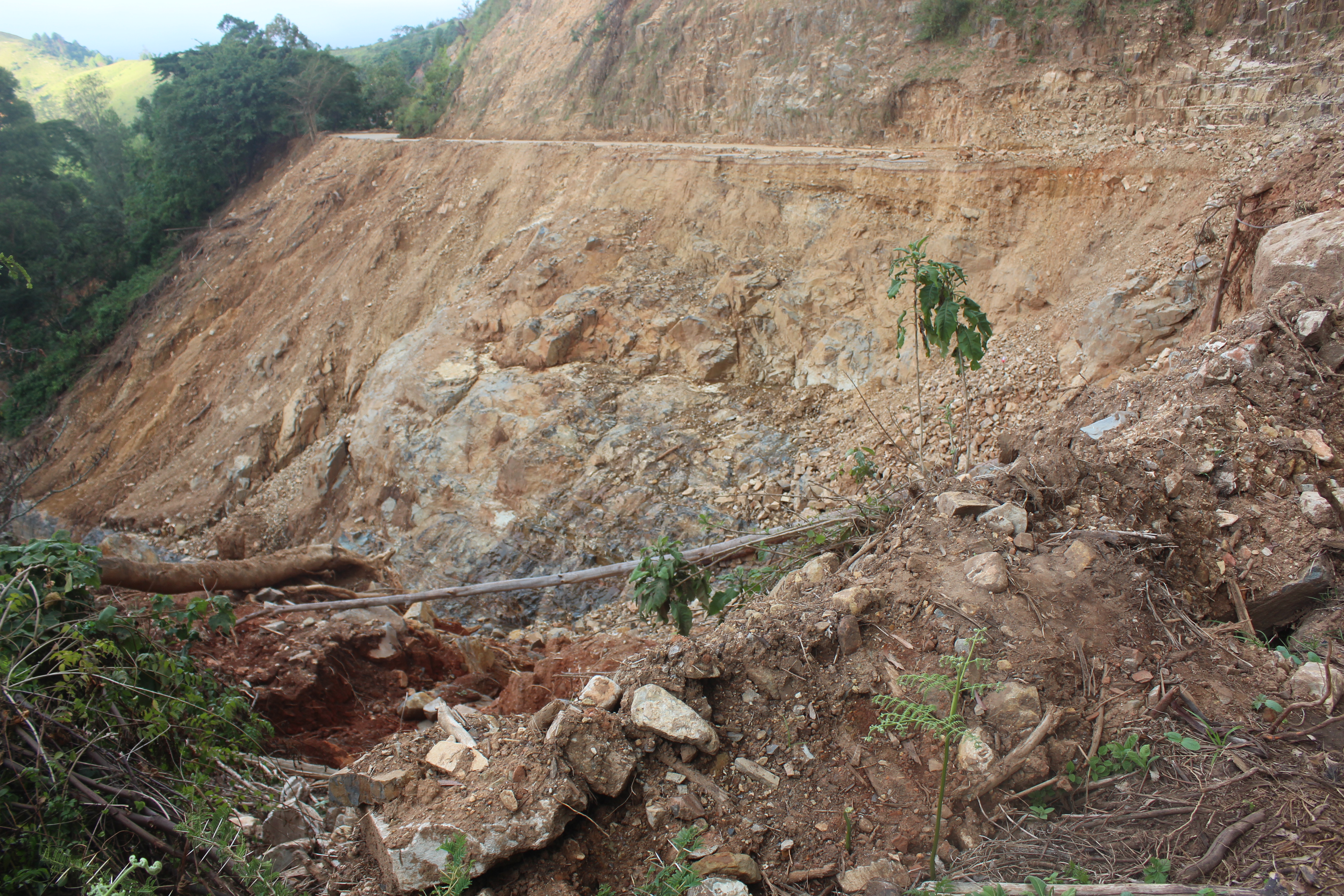
Cyclone Idai hits eastern Zimbabwe, causing catastrophic mudslides, destruction of infrastructure, and hundreds of deaths, particularly in Chimanimani and Chipinge districts.
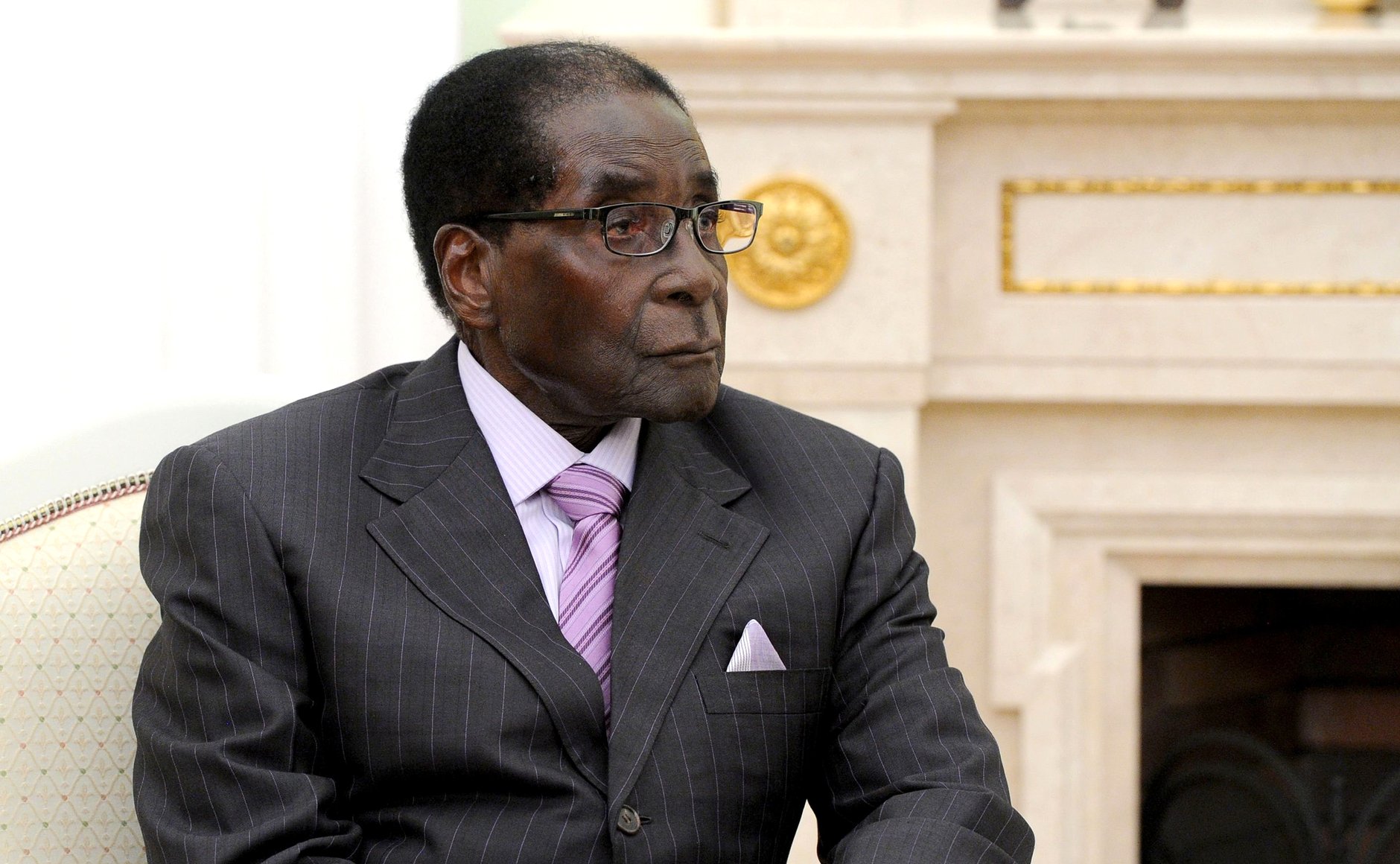
Former President Robert Mugabe dies in a Singapore hospital at the age of 95. He is buried in his rural home of Kutama after a protracted dispute between his family and the government over his resting place.
The COVID-19 pandemic prompts strict national lockdowns. Journalists expose the multi-million dollar "Drax International" medical procurement scandal, leading to the arrest of journalist Hopewell Chin'ono and the dismissal of Health Minister Obadiah Moyo.
The local RTGS dollar continues to collapse, sending inflation soaring. The country experiences critical electrical power shortages, causing long hours of load shedding and severe economic disruption.
Following internal factional legal battles over the MDC brand, Nelson Chamisa abandons the old MDC Alliance and launches the Citizens Coalition for Change (CCC), winning the majority of vacant parliamentary seats in subsequent by-elections.
Al Jazeera releases a four-part documentary exposing a gold smuggling and money laundering ring operating with state facilitation in Zimbabwe, revealing estimated losses of over $1 billion annually.
President Emmerson Mnangagwa is declared the winner of the general election with 52.6% of the vote. Observers, including the SADC mission, criticize the electoral process as falling short of regional and international standards for democratic elections.
Self-proclaimed CCC secretary-general Sengezo Tshabangu recalls dozens of elected opposition MPs and councillors. ZANU-PF wins subsequent by-elections, securing a two-thirds majority in Parliament. Nelson Chamisa resigns from the CCC in protest, citing infiltration.
The Reserve Bank of Zimbabwe introduces a new gold-backed structured currency, the Zimbabwe Gold (ZiG), to replace the collapsing Zimbabwean dollar in a bid to stabilize the economy and curb inflation.
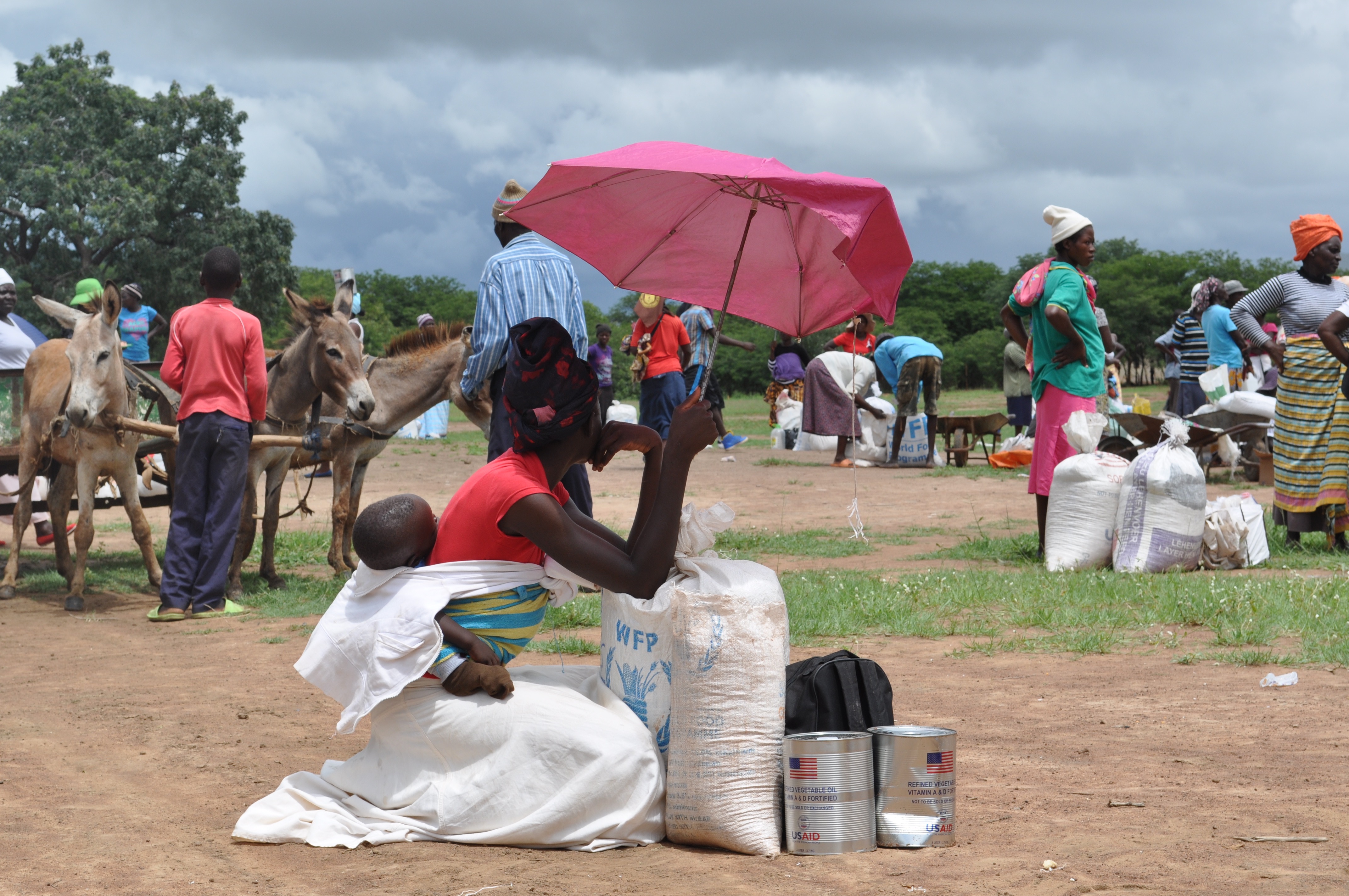
A severe El Niño-induced drought decimates harvests across the region. President Mnangagwa declares a state of disaster, with over six million citizens requiring humanitarian food assistance.
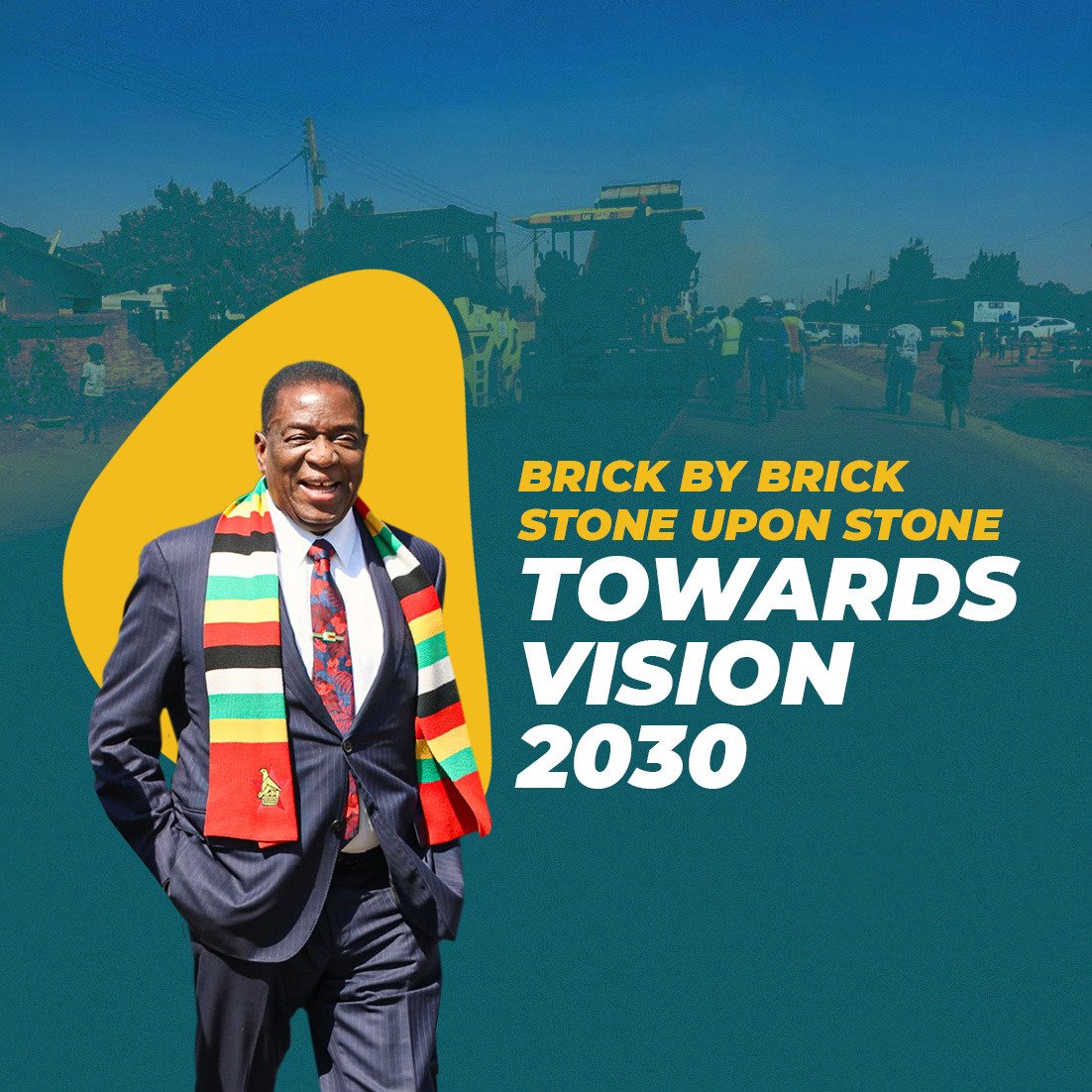
Internal debate intensifies within ZANU-PF over the "ED2030" slogan and proposed constitutional amendments (e.g. CAB3) aimed at bypassing the two-term presidential limit, sparking resistance from civic society and opposition groups.